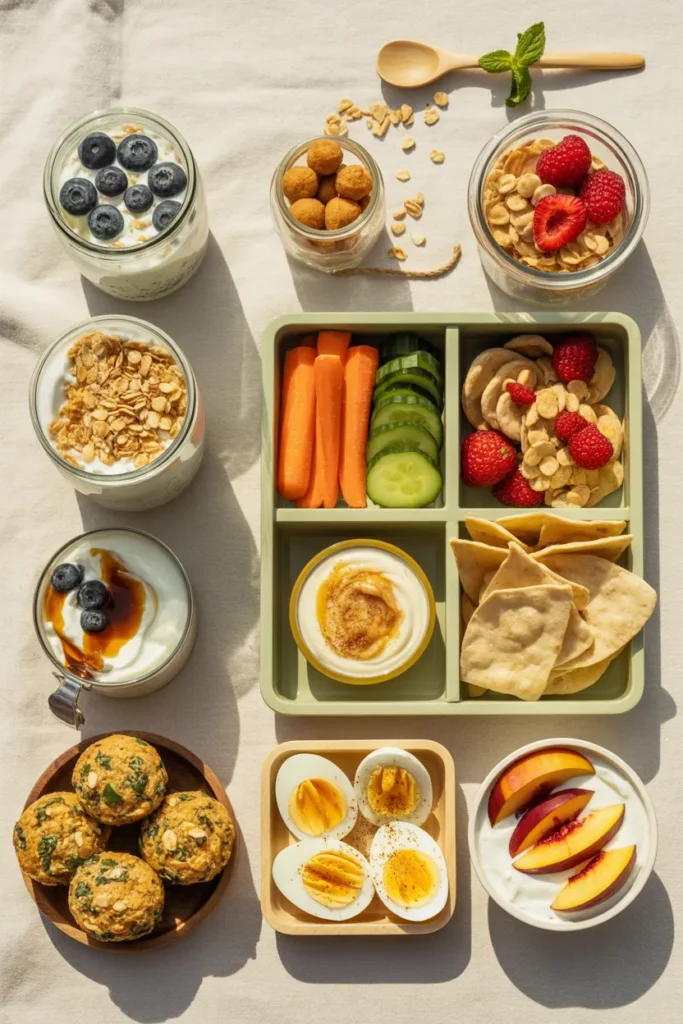

Healthy Snack Meal Prep: The 90-Minute Sunday System for 8 Grab-and-Go Snacks
It’s 3:47 PM on a Wednesday. You’ve already opened the pantry three times, eaten half a sleeve of crackers standing up, and you’re still hungry. By Friday the gas station roller dogs start looking reasonable. Sound familiar? This is exactly the gap healthy snack meal prep fills, and once you have a Sunday system, you stop having that 4 PM crash conversation with yourself.
I’ve been prepping snacks every Sunday for about six years now, and I’ve burned through a lot of bad ideas to land on what actually works. Energy balls that turned into hockey pucks. Overnight oats that smelled funky by Thursday. Cute mason jar salads that wilted into sadness. The plan below is what survived.
Who This Is For
This system is built for:
- Busy parents trying to keep kids fed without 47 daily decisions
- Office workers who hit the 3 PM wall
- Gym-goers tracking protein who keep falling short on snacks
- College students on a tight grocery budget
- Anyone who’s tired of paying $4.99 for a packaged protein bar that has 4 grams of protein
If you’re cooking for one, every recipe scales down. If you’re feeding a family of five, I’ve flagged what scales linearly and what doesn’t (looking at you, baking soda).
How This Article Is Organized
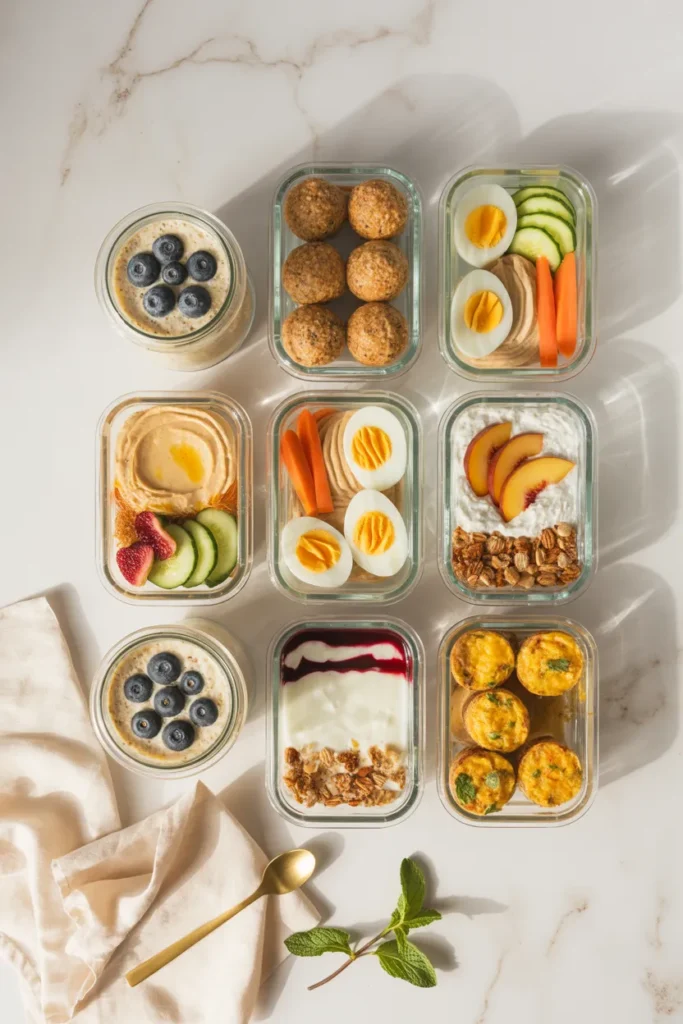
You’ll get the prep workflow first (the 90-minute Sunday session), then the eight core snacks with full instructions, then the goal-specific rotations (weight loss, muscle gain, kids, budget). The eight snacks are designed to cover the protein + fiber + fat triangle that keeps you full for two-plus hours. That’s the whole game.
Why Healthy Snack Meal Prep Actually Works (When You Do It Right)
Most snack prep advice fails because it treats snacks like recipes instead of a system. You don’t need 48 ideas. You need eight that you’ll actually rotate, packed in containers you can grab without thinking.
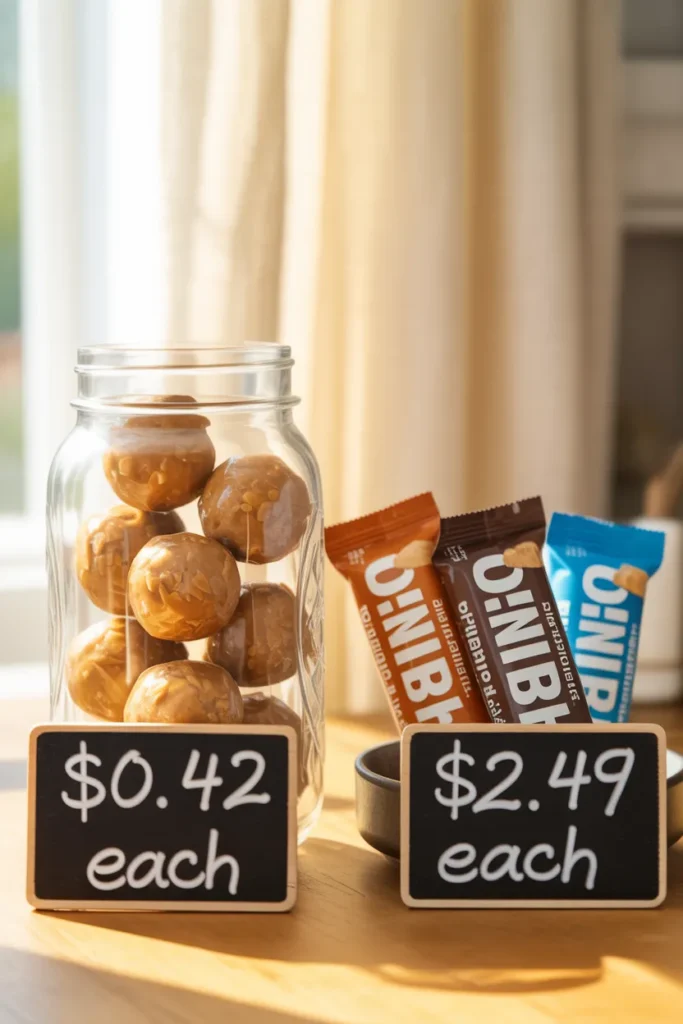
Here’s the math that sold me. A single Trader Joe’s protein bar runs $2.49. A homemade peanut butter protein ball costs about $0.42. Prep eight servings on Sunday and you save roughly $16 a week, which is $832 a year. That’s a flight.
Beyond the cost, prepped snacks beat packaged ones on satiety because you control the protein-to-sugar ratio. Most store-bought “healthy” bars hide 14 grams of added sugar behind a green label.
The 90-Minute Sunday Workflow
This is the part competitors skip. Open recipe blog after recipe blog and you’ll find the snacks but never the choreography. Here’s exactly how I run a Sunday session.
Minutes 0 to 10: Setup
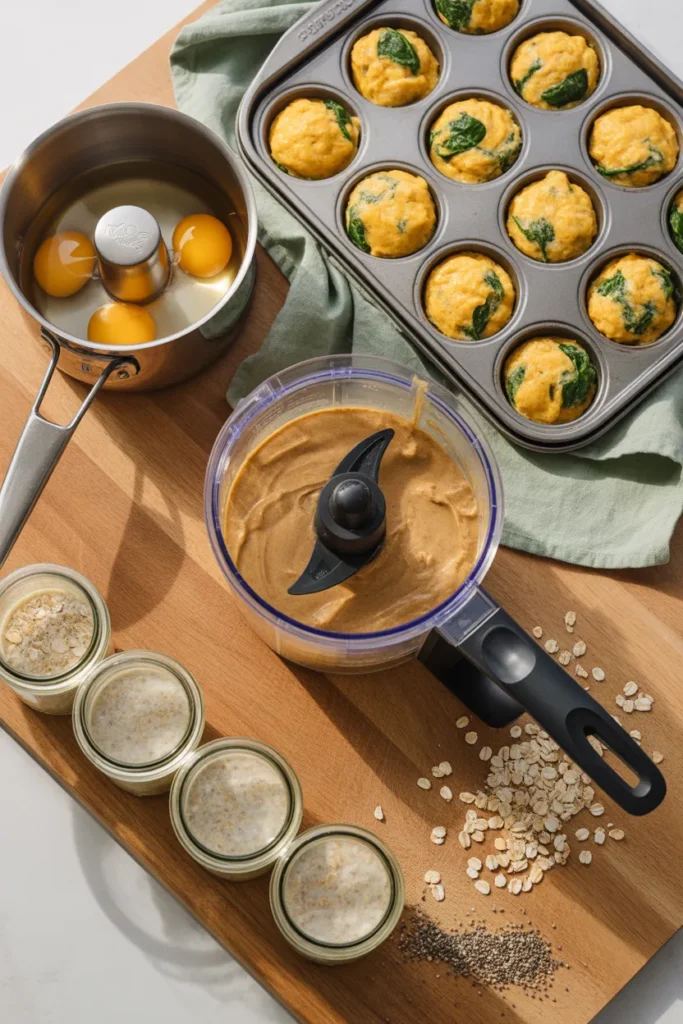
Preheat oven to 350°F. Pull out two sheet pans, one large mixing bowl, one medium bowl, a food processor, and your meal prep containers. Fill a small pot with water and start it for the eggs.
Minutes 10 to 30: Bake and Boil Simultaneously
Hard-boiled eggs go into the simmering pot. Savory egg muffins go into the oven. Overnight oats get assembled in mason jars (they need zero cooking, just pour and stir).
Minutes 30 to 60: No-Cook Assembly
While the oven works, build the energy balls in the food processor, portion out the trail mix, slice veggies for the hummus boxes, and assemble the cheese and grape snack boxes.
Minutes 60 to 80: Cool and Pack
Pull eggs and muffins. Cool five minutes on the counter. Pack everything into labeled containers.
Minutes 80 to 90: Label and Stack
Date the lids with masking tape. Stack by day in the fridge. Done.
The 8 Core Snacks (With Full Recipes)
Each snack below answers three things in the steps: what to do, why it works, and what success looks like. That’s how you stop guessing.
1. Peanut Butter Chocolate Chip Protein Balls
Yields 16 balls (8 snack servings of 2 balls each)
These are the workhorse. Make them first because they hold up the longest in the fridge.
Ingredients:
- 1 cup old-fashioned rolled oats
- 1/2 cup natural creamy peanut butter (the kind you stir)
- 1/3 cup honey or maple syrup
- 1/4 cup vanilla protein powder (whey or plant)
- 2 tablespoons mini dark chocolate chips
- 1 tablespoon ground flaxseed
- 1/2 teaspoon vanilla extract
- Pinch of fine sea salt
Method:
- Combine all ingredients in a medium bowl. Stir with a wooden spoon for about 90 seconds. Why it works: the oats need time to absorb the peanut butter oils. Success looks like a thick, slightly sticky dough that holds when pressed.
- Chill the bowl for 10 minutes. Why: cold dough rolls cleaner and won’t stick to your palms.
- Roll into 1-inch balls (about a heaping tablespoon each). You should get 16.
- Store in a single layer for the first hour, then stack with parchment between layers.
Macros per serving (2 balls): 195 calories, 8g protein, 22g carbs, 9g fat Fridge life: 7 days. Freezer: 3 months in a zip-top bag with the air pressed out.
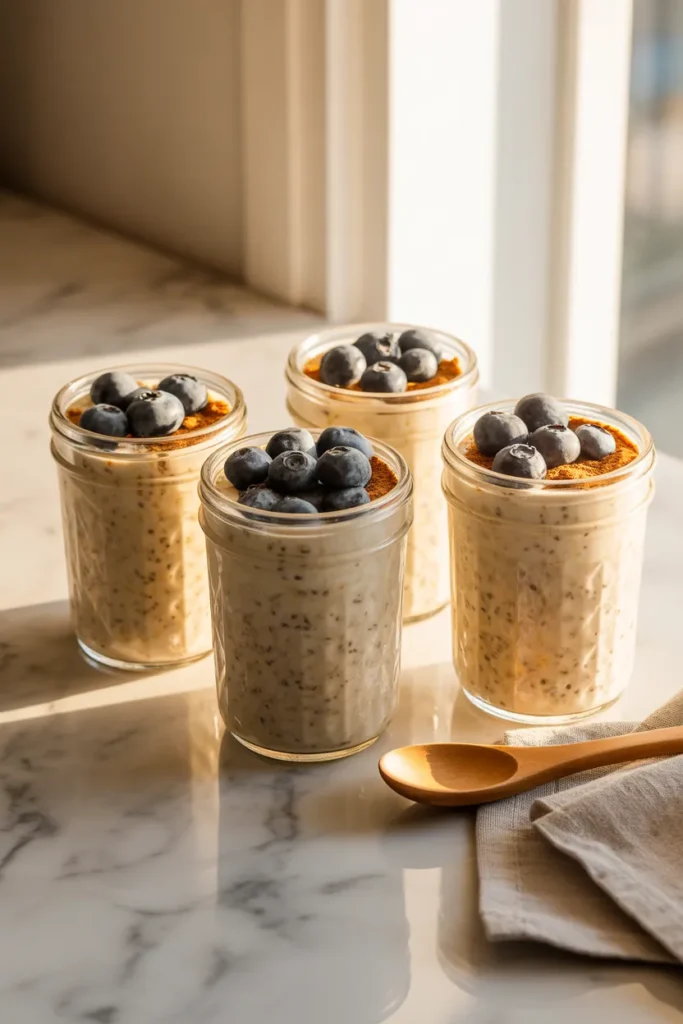
2. Vanilla Cinnamon Overnight Oats
Yields 4 jars (4 snack servings)
The trick competitors miss: don’t use steel-cut oats and don’t skip the chia. The chia is what stops the slime.
Ingredients (per jar, multiply by 4):
- 1/2 cup old-fashioned rolled oats
- 1/2 cup unsweetened almond milk or 2% dairy milk
- 1/4 cup plain Greek yogurt (full-fat or 2%)
- 1 teaspoon chia seeds
- 1 teaspoon maple syrup
- 1/4 teaspoon cinnamon
- 1/4 teaspoon vanilla extract
Method:
- Layer oats, milk, yogurt, chia, sweetener, and spices in an 8-ounce mason jar.
- Stir with a long spoon until no dry oats remain on the bottom. Success looks like a thick pourable batter, not a wet pile.
- Lid on, fridge overnight. Why the chia: it binds the liquid into a gel, which is what stops Thursday-jar slime.
- Top with fresh berries the morning you eat it (not before, or they bleed).
Macros per serving: 245 calories, 12g protein, 38g carbs, 6g fat Fridge life: 4 days max. Don’t push to 5.
3. Savory Spinach Feta Egg Muffins
Yields 12 muffins (6 servings of 2 muffins)
The secret here is squeezing the spinach. Wet spinach equals soggy muffins. Press the water out with a clean dish towel.
Ingredients:
- 8 large eggs
- 1/4 cup whole milk
- 1 cup chopped fresh spinach (squeezed dry)
- 1/2 cup crumbled feta
- 1/4 cup diced red bell pepper
- 1/2 teaspoon kosher salt (Diamond Crystal, or use 1/4 teaspoon Morton’s)
- 1/4 teaspoon black pepper
Method:
- Preheat oven to 350°F. Grease a 12-cup muffin tin generously with olive oil. Why: egg muffins are notorious stickers without enough fat.
- Whisk eggs and milk in a large bowl until completely uniform, about 60 seconds. Success: pale yellow, no streaks of clear white.
- Stir in spinach, feta, pepper, salt, and pepper.
- Divide evenly across 12 cups (about 1/4 cup each).
- Bake 20 to 22 minutes. Success: tops are domed and matte, a knife in the center comes out clean.
- Cool 5 minutes in the pan, then run a butter knife around each cup before lifting out.
Macros per serving (2 muffins): 165 calories, 13g protein, 3g carbs, 11g fat Fridge life: 4 days. Freezer: 2 months.
4. Hummus and Veggie Snack Boxes
Yields 5 boxes
Use 3-cup divided meal prep containers (the rectangular ones with three compartments). The compartments stop the cucumbers from sweating into the hummus.
Ingredients per box:
- 3 tablespoons hummus (store-bought is fine, Sabra Classic or Trader Joe’s Tuscan Italian both work)
- 6 baby carrots
- 6 cucumber rounds
- 5 cherry tomatoes
- 4 whole grain pita chips or 2 tablespoons roasted chickpeas
Method: Spoon hummus into the largest compartment, vegetables into the second, crunch into the third. That’s it.
Macros per box: 175 calories, 6g protein, 24g carbs, 7g fat Fridge life: 4 days (cucumbers go limp by day 5).
5. Hard-Boiled Eggs with Everything Bagel Seasoning
Yields 6 eggs (6 servings)
Trader Joe’s Everything But the Bagel seasoning is the easiest flavor upgrade in this entire post. Aldi’s version (Stonemill) is half the price.
Method:
- Place eggs in a single layer in a saucepan, cover with 1 inch of cold water.
- Bring to a rolling boil. Success: full bubbles across the surface, not just edges.
- Cover, remove from heat, and let sit 11 minutes for jammy-firm yolks or 13 minutes for fully set.
- Transfer to an ice bath for 5 minutes. Why: the temperature shock loosens the membrane and gives you cleaner peels.
- Peel under running water and store unpeeled if you want max freshness.
Macros per egg: 78 calories, 6g protein, 0g carbs, 5g fat Fridge life: 7 days unpeeled, 4 days peeled.
6. Greek Yogurt Berry Parfaits
Yields 4 parfaits
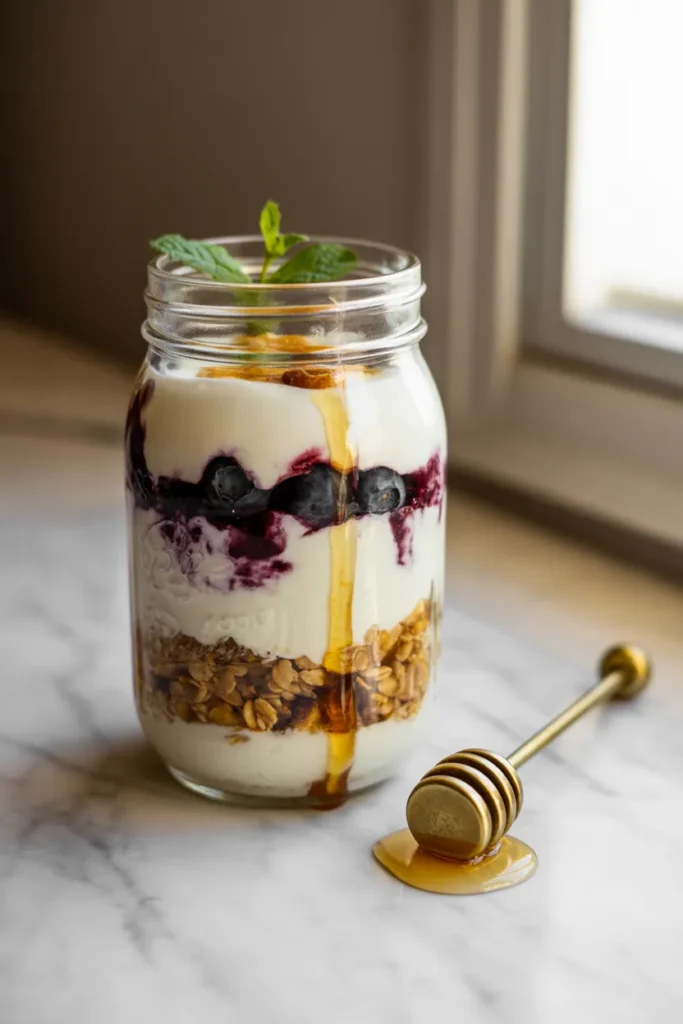
Layer order matters. Granola on top, never on bottom, or you get cement.
Ingredients per parfait:
- 3/4 cup plain 2% Greek yogurt
- 1/3 cup mixed berries (fresh or frozen-and-thawed)
- 2 tablespoons granola (added the morning of)
- 1 teaspoon honey
Method: Layer yogurt, berries, drizzle of honey in a 12-ounce mason jar. Pack granola in a separate small container or zip bag and add right before eating.
Macros per parfait: 215 calories, 17g protein, 28g carbs, 5g fat Fridge life: 4 days (without granola).
7. Trail Mix Snack Packs
Yields 8 packs
Building your own trail mix costs 60 percent of a packaged one and you control the salt and sugar.
Ingredients per pack (mix in bulk, divide):
- 2 tablespoons raw almonds
- 1 tablespoon dark chocolate chips
- 1 tablespoon unsweetened dried cherries
- 1 tablespoon unsalted pumpkin seeds
Method: Mix all ingredients in a large bowl, divide into 8 small containers or reusable silicone bags (about 1/3 cup each).
Macros per pack: 195 calories, 6g protein, 14g carbs, 13g fat Fridge life: 14 days (or pantry for 7).
8. Cottage Cheese with Sliced Peaches
Yields 4 cups
Cottage cheese is the most underrated meal prep protein. 14 grams per half cup, no cooking required.
Ingredients per cup:
- 1/2 cup full-fat or 2% cottage cheese (Good Culture is creamier, store brand is half the price)
- 1/3 cup sliced peaches (canned in juice, drained, or fresh in summer)
- 1/2 teaspoon honey
- Pinch of cinnamon
Method: Layer cottage cheese on the bottom, peaches on top, drizzle with honey. Lid on.
Macros per cup: 155 calories, 14g protein, 14g carbs, 4g fat Fridge life: 4 days.
Cost Per Serving Breakdown
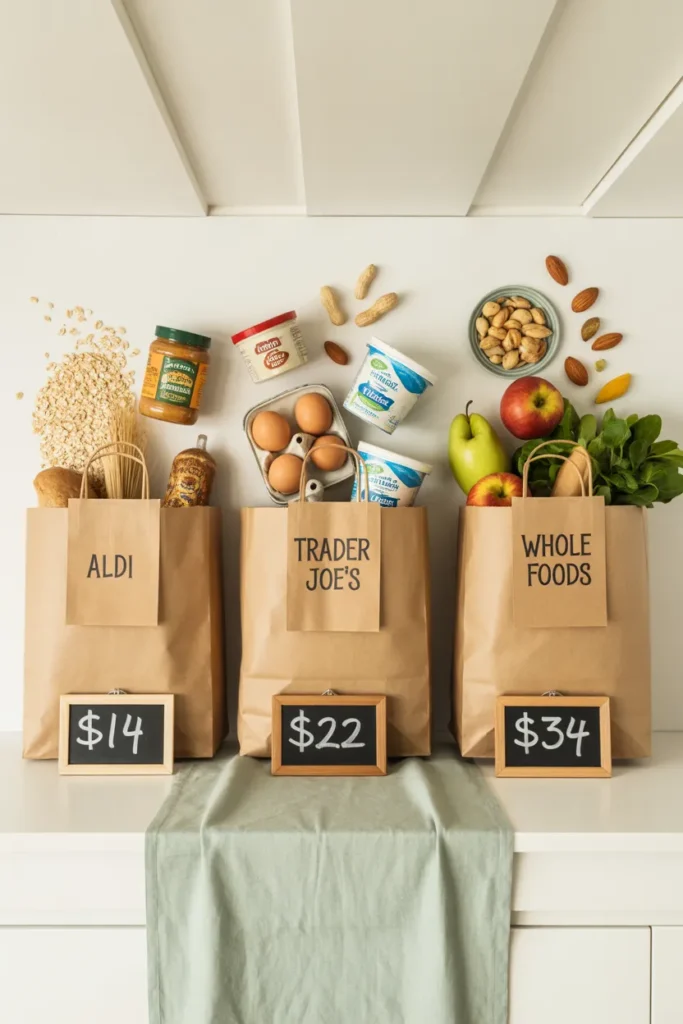
This is the math that converts skeptics. Here’s what a full week of these eight snacks runs at three different store tiers.
| Tier | Where to Shop | Cost Per Snack |
|---|---|---|
| Budget | Aldi, Walmart, Costco bulk | $0.95 to $1.40 |
| Mid-range | Trader Joe’s, Target, Kroger | $1.50 to $2.30 |
| Splurge | Whole Foods, Sprouts | $2.40 to $3.60 |
The biggest swing comes from protein powder, Greek yogurt, and nuts. Generic protein powder runs $19 a tub at Aldi; the Whole Foods organic version hits $42. If you want one place to save money, that’s it.
According to the USDA Food and Nutrition Service, home-prepared meals average 30 to 40 percent less per serving than equivalent packaged or restaurant options. Snacks specifically tend to skew even higher because of packaging markup.
Containers and Portioning
The container question is bigger than people think. Wrong size and you either over-eat or your snack box looks pathetic. Here’s the lineup that actually works.
- 3-cup divided rectangular containers (5-pack): hummus boxes, cheese boxes, savory snack boxes
- 8-ounce mason jars (12-pack): overnight oats, parfaits, chia pudding
- 2-cup round containers (10-pack): protein balls, trail mix, hard-boiled eggs
- Reusable silicone bags (Stasher or store brand): trail mix on the go, sliced veggies
Glass beats plastic for reheating and for not absorbing smells. Plastic is fine for cold snacks if you’re on a budget. The Pyrex 18-piece set runs around $24 at Target and covers most of what you need.
Goal-Specific Rotations
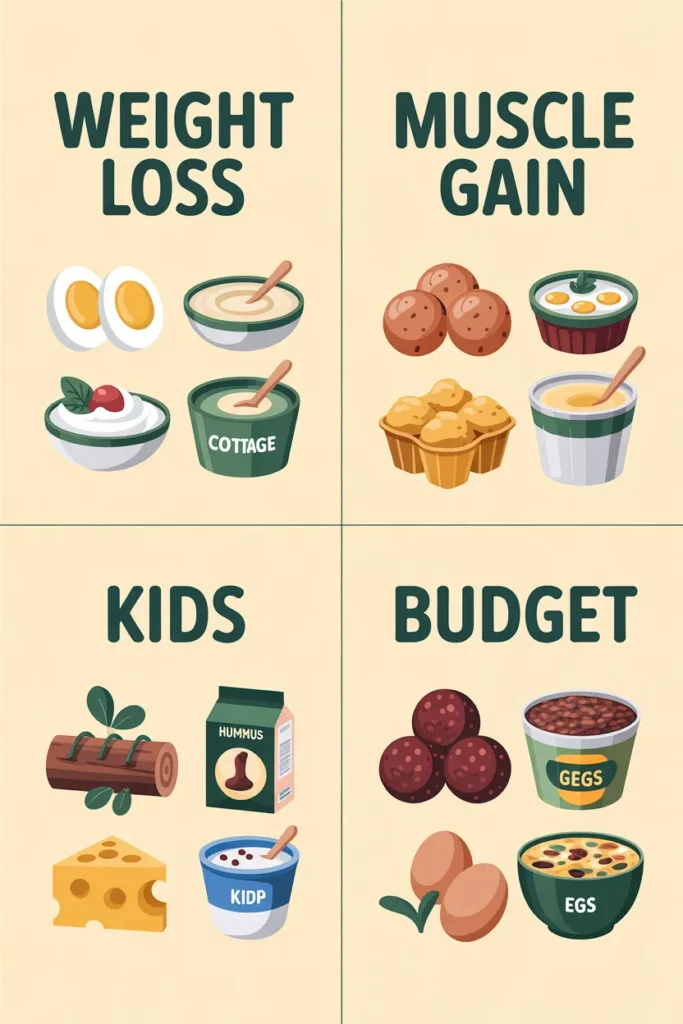
The eight core snacks above are the base. Depending on your goal, you’ll lean into different ones.
Healthy Snack Meal Prep for Weight Loss
Lean on hard-boiled eggs, cottage cheese with peaches, hummus boxes, and Greek yogurt parfaits. Skip or halve the trail mix (calorie-dense). Aim for snacks under 200 calories with at least 10 grams of protein. This combo keeps you full because protein and fiber together slow digestion, which the Harvard T.H. Chan School of Public Health confirms is the satiety driver most diets miss.
High-Protein Meal Prep Snacks for Muscle Gain
Double the protein balls, double the egg muffins, add a second serving of cottage cheese. You’re looking at 15 to 20 grams of protein per snack and four to five snacks a day. If you’re tracking, this rotation lands around 80 grams of protein from snacks alone.
Healthy Snack Meal Prep for Kids
Skip the everything bagel seasoning (kids tend to find it weird). Sub the trail mix for ants on a log (celery + peanut butter + raisins). The hummus boxes are kid gold. So are the cottage cheese cups with peaches.
Budget Healthy Snack Meal Prep
Cut to four snacks: protein balls, hard-boiled eggs, trail mix, and overnight oats. Buy oats, peanut butter, eggs, and bulk nuts at Aldi. Total weekly cost: about $14 for 28 servings, which lands at $0.50 per snack.
If you want a deeper dive on the budget angle, our under-$5 meal prep recipes guide walks through full meals at the same price tier.
Weeknight vs Weekend Prep
Not everyone has 90 minutes on Sunday. Here’s the shortcut version.
Weekend (90 minutes): All 8 snacks, full prep. Weeknight (25 minutes): Just three snacks. Hard-boiled eggs (10 minutes), overnight oats (5 minutes assembly), one batch of protein balls (10 minutes). Skip the egg muffins and snack boxes (those need the longer block).
I do the full Sunday session about three weeks a month. That fourth week, when life gets messy, the 25-minute version saves the streak.
For a fuller weeknight system, our 15-minute meal prep starter guide covers proteins, sides, and snacks in one block.
Common Mistakes to Avoid
After six years and a lot of waste, here are the failures I see (and made) most often.
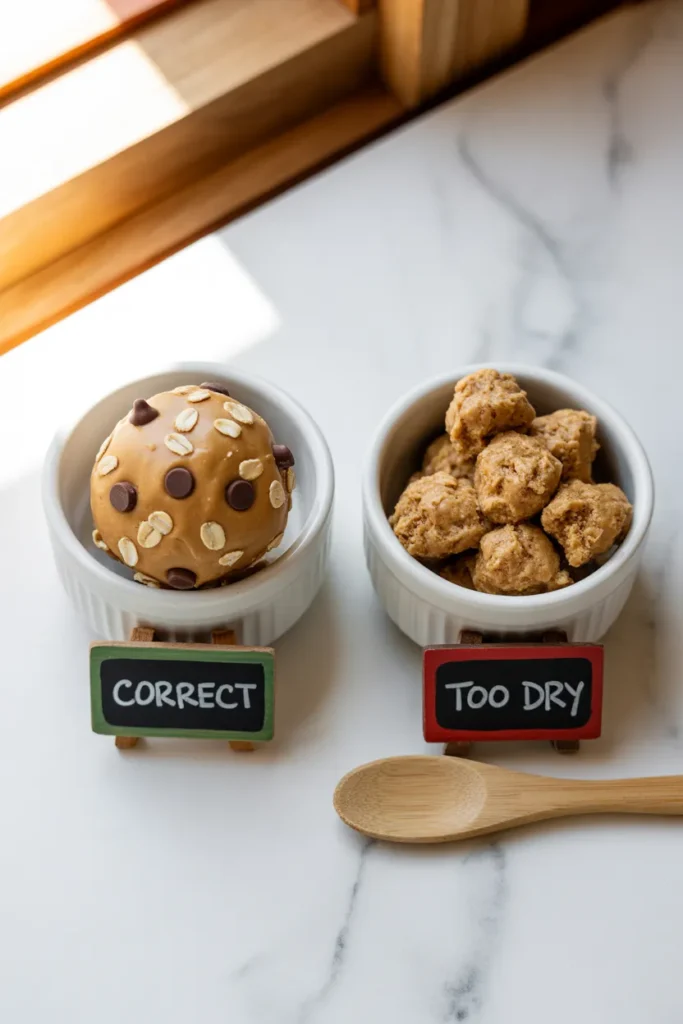
Cement protein balls. You used too much honey or not enough oats. Fix: chill the dough 10 minutes before rolling and add 2 more tablespoons of oats if it’s still tacky.
Slimy overnight oats by Thursday. You skipped the chia or used steel-cut oats. Chia binds the liquid into a stable gel. Steel-cut needs cooking and won’t soften enough cold.
Soggy egg muffins. You didn’t squeeze the spinach. Wet greens equals wet muffins. Roll the chopped spinach in a clean dish towel and squeeze hard.
Sweaty veggie boxes. You washed the cucumbers and tomatoes and didn’t dry them. Pat everything bone-dry before packing. Moisture is the enemy of crisp.
Granola turning to mush in parfaits. You layered it in on Sunday. Pack granola separately, add it the morning of. Non-negotiable.
Eggs that won’t peel. You used eggs that were too fresh. Buy eggs a week before you boil them. The membrane separates from the shell as eggs age.
How to Pack These for Work
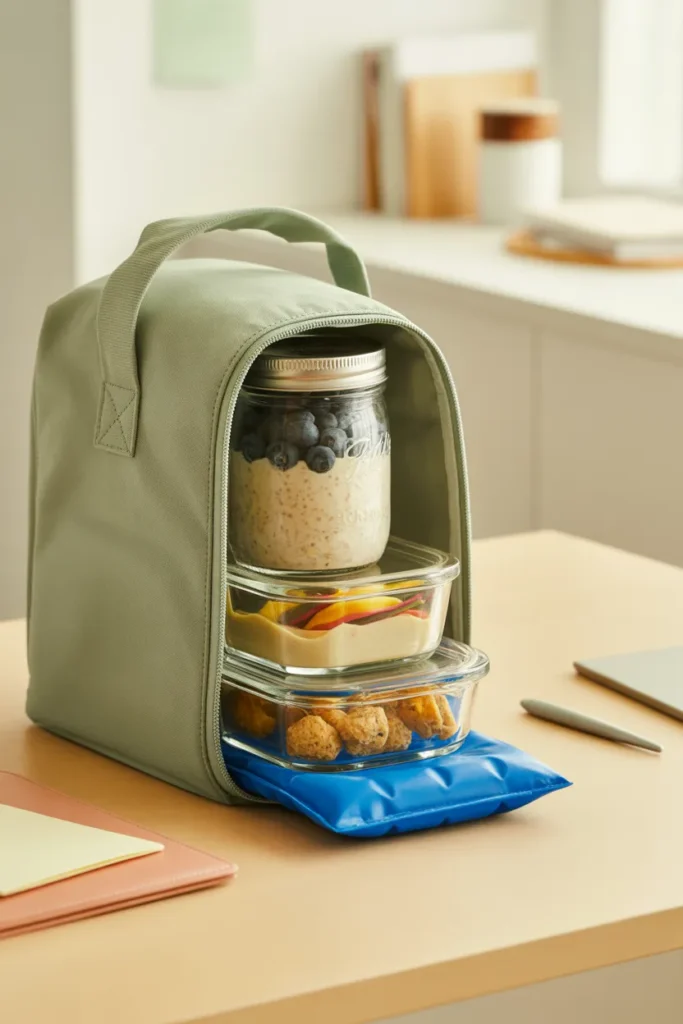
The work-bag question comes up a lot. Here’s what survives a commute.
- Insulated lunch bag with one ice pack on the bottom (the dairy snacks need cold)
- Stack containers from sturdiest at the bottom (egg muffins) to most fragile at top (parfaits)
- Granola bag clipped to the outside loop
- Protein balls and trail mix can ride at room temp in a desk drawer for the day
If you bring snacks for the full day, pack two ice packs and use a 9-can soft cooler. The Yeti Daytrip runs $80; the Coleman version is $24 and works almost as well.
For more lunch-bag systems, see our office meal prep ideas roundup.
The Snack-Pairing Formula
If you take one thing from this article, take this. Every snack should hit two of three macros: protein, fiber, fat.
- Protein ball = protein (powder, peanut butter) + fat (peanut butter)
- Hummus box = protein (chickpeas) + fiber (vegetables) + fat (tahini)
- Overnight oats = protein (Greek yogurt) + fiber (oats, chia)
- Cottage cheese with peaches = protein (cheese) + fiber (fruit)
Single-macro snacks (a handful of crackers, a piece of fruit alone, just nuts) crash you in 45 minutes. Two-macro snacks hold for two hours. Three-macro snacks hold for three. That’s the whole science.
Frequently Asked Questions
How long does meal-prepped snack food last in the fridge?
Most of these last 4 to 7 days. Protein balls and trail mix go the longest (7 days plus). Anything with cucumber or fresh berries tops out at 4 days. Hard-boiled eggs in the shell hold a full week.
Can I freeze any of these snacks?
Yes. Protein balls freeze for 3 months. Egg muffins freeze for 2 months. Skip freezing anything with fresh produce, dairy with high water content (like cottage cheese), or layered jars.
How do I keep meal-prepped snacks from getting soggy?
Three rules. Dry produce completely before packing. Layer wet ingredients (yogurt, hummus) on the bottom, dry on top. Pack crunchy elements (granola, crackers, chips) in a separate container or bag and combine right before eating.
What snacks are best for weight loss?
Hard-boiled eggs, cottage cheese with peaches, hummus and veggie boxes, and Greek yogurt parfaits. All under 220 calories with 10 to 17 grams of protein. The protein-fiber combo keeps you full longer than calorie-equivalent carb snacks.
What if I don’t have a food processor for the protein balls?
A wooden spoon and a sturdy bowl work fine. The texture will be slightly chunkier (not a bad thing). Mash the peanut butter and honey together first, then fold in the dry ingredients.
Can I make these snacks dairy-free or gluten-free?
For dairy-free: swap Greek yogurt for coconut yogurt, skip the cottage cheese, sub plant protein powder. For gluten-free: use certified GF oats, skip the pita chips and sub roasted chickpeas. Most snacks here are naturally GF if you check labels.
Can I double or halve the protein ball recipe?
Doubles linearly with one tweak: only use a pinch and a half of salt instead of two pinches. Halves perfectly. The egg muffins also halve cleanly to make 6 muffins in a 6-cup tin.
Are meal-prepped snacks actually cheaper than buying packaged?
Yes, by 50 to 70 percent. A homemade protein ball is $0.42; a comparable packaged ball is $1.99. Across a week of 28 snacks, you save roughly $30 to $45 depending on which packaged options you’d otherwise buy.
Wrapping Up Your Sunday System
Healthy snack meal prep stops being a chore the moment you have a workflow. Eight snacks, 90 minutes, $14 to $30 depending on where you shop, and the 4 PM crash becomes someone else’s problem.
Start with three snacks this week, not all eight. The protein balls, the overnight oats, the hard-boiled eggs. Once that feels automatic (usually two weeks), add the egg muffins. Then the snack boxes. Building the habit beats nailing the system on day one.
What’s your current snack-time crash hour? Mine used to be 3 PM sharp. Save this post to your Sunday Prep Pinterest board and tell me which snack you’re trying first.
General nutrition information only. For personalized macro targets or dietary restrictions, consult a registered dietitian or your healthcare provider.