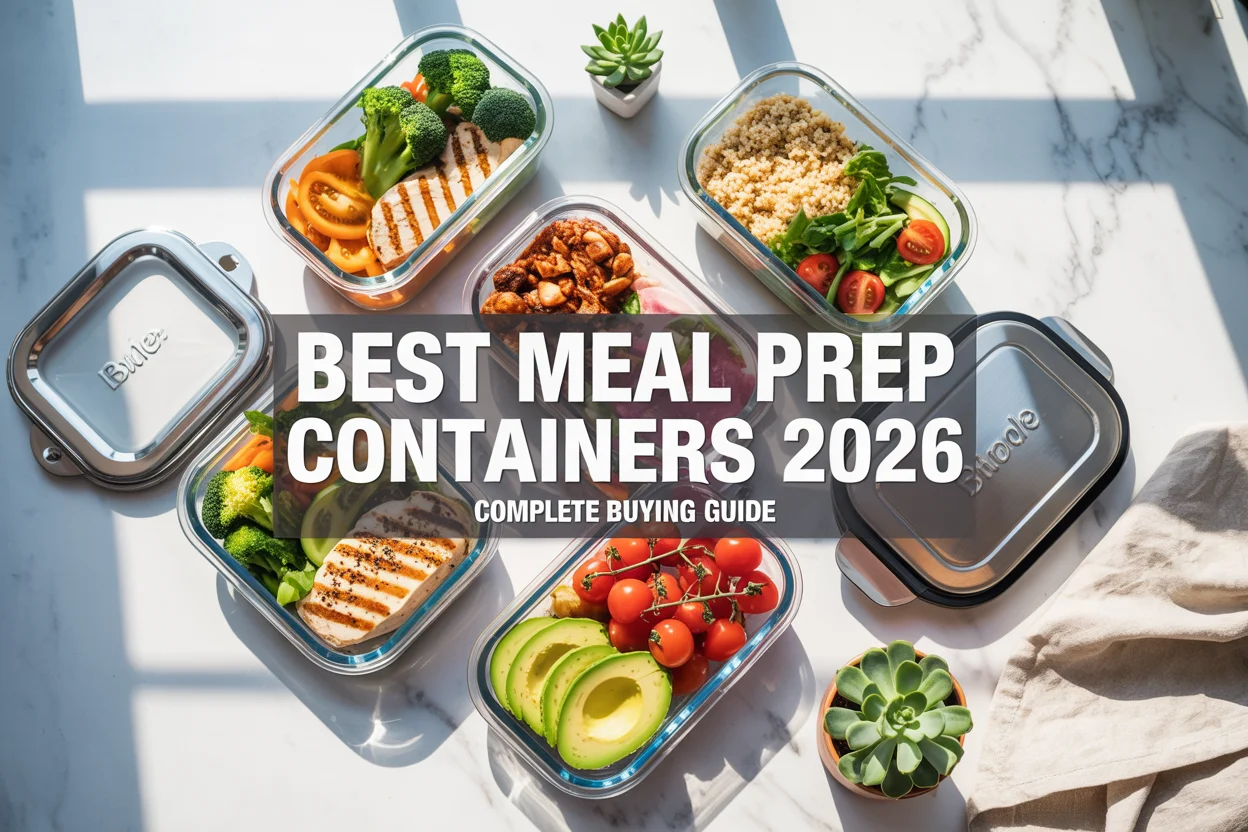
Best Meal Prep Containers 2026 (Buying Guide)
Meal prepping saves time, money, and stress throughout the week — but only when you store your food properly. A cracked lid, a leaky seal, or a container that stains after one batch of tikka masala can ruin the entire routine. Whether you are a seasoned prepper or just getting started, choosing the right meal prep containers in 2026 is the single most important gear decision you will make.
This comprehensive buying guide of Best Meal Prep Containers breaks down everything you need to know — from materials and sizes to compartment styles and budget picks — so you can stock your kitchen with containers that actually last.
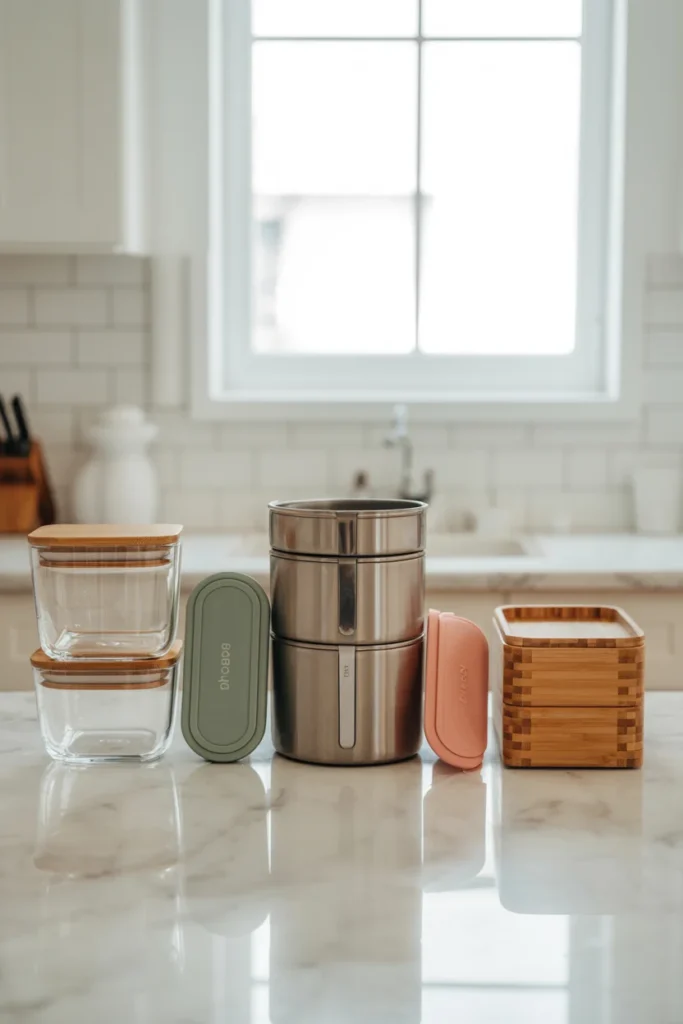
Why Your Meal Prep Containers Matter More Than Your Recipes
You can spend hours perfecting your weekly meal prep plan, but if your containers leak, warp, or absorb odors, your prepped meals will not survive until Wednesday. Good containers do three essential things simultaneously: they seal out air to prevent oxidation, retain or block moisture as needed, and maintain food at a consistent temperature in the fridge or freezer.
According to the USDA, American families waste roughly 30 to 40 percent of the food they buy, costing around $1,500 per year per household of four. A significant portion of this waste comes not from overbuying, but from improper storage. The right containers can extend the freshness of cooked chicken from two days in a loosely covered bowl to four or five days in a properly sealed glass container.
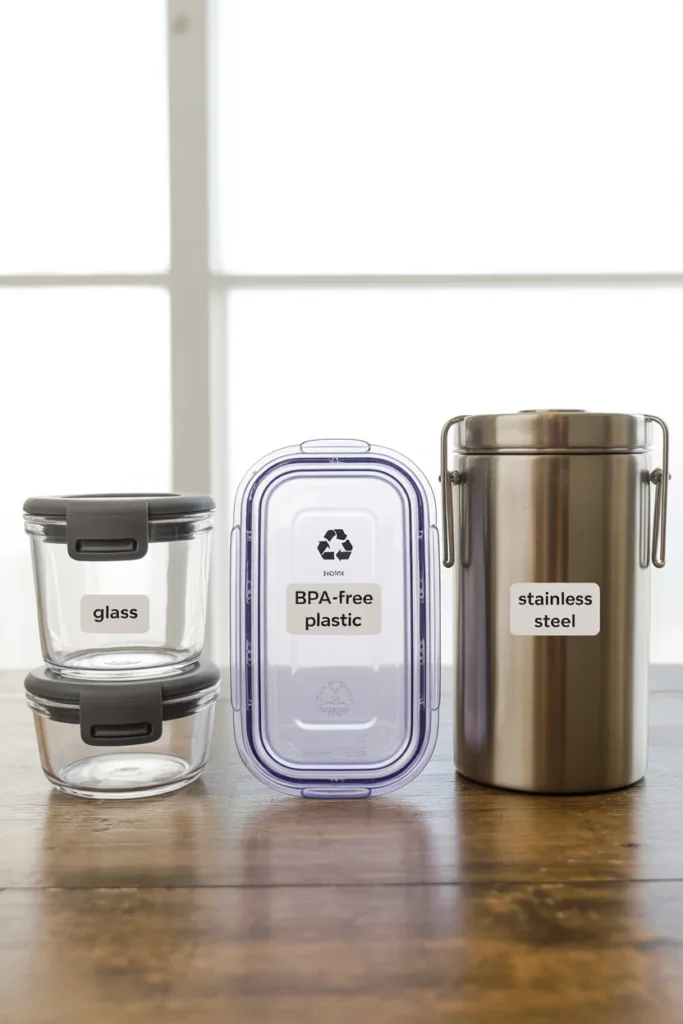
Glass vs. Plastic vs. Stainless Steel: Which Material Wins in 2026?
The material of your container affects safety, durability, weight, and long-term cost. Here is how each option stacks up this year.
Borosilicate Glass — The Gold Standard
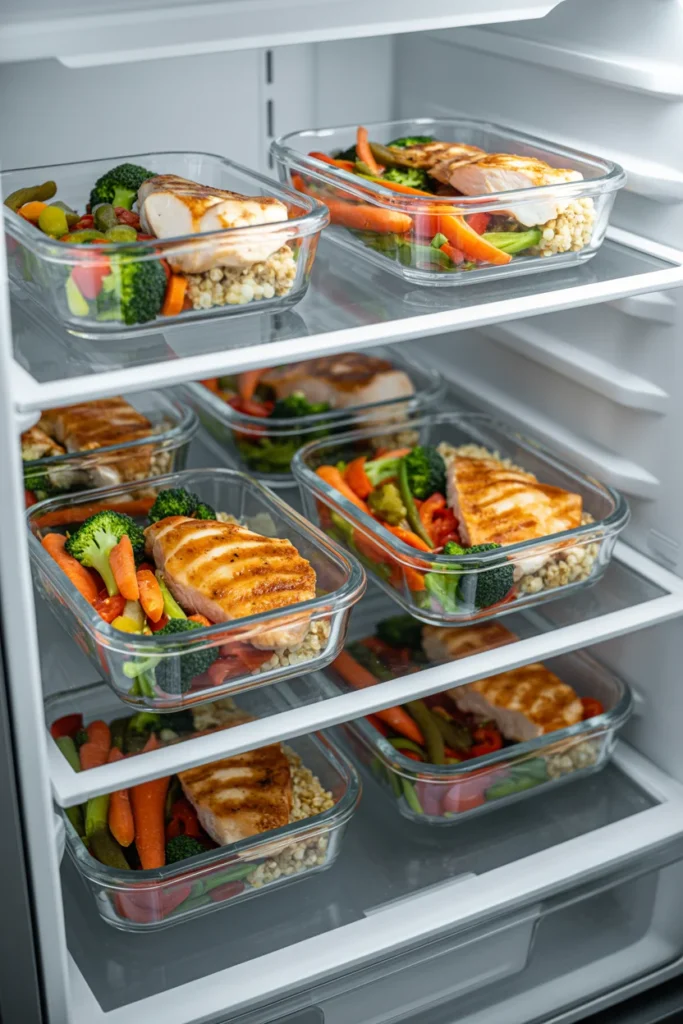
Glass meal prep containers, particularly those made from borosilicate glass, remain the top recommendation from dietitians and food safety experts. Borosilicate glass resists thermal shock, meaning it can move directly from the freezer to a hot oven without cracking. Glass is completely non-porous, so it never absorbs stains, odors, or chemicals from food. A quality glass set can last five to ten years with daily use, compared to plastic sets that typically need replacing every six to twelve months.
The tradeoff is weight. Glass containers are noticeably heavier, which makes them less ideal for commuters carrying lunch in a backpack or gym bag.
BPA-Free Plastic — Lightweight and Portable
High-quality BPA-free plastic containers have come a long way. Brands like Rubbermaid Brilliance use Tritan plastic that resists stains and provides a crystal-clear appearance. They are far lighter than glass, making them the practical choice for work lunches, gym bags, and children’s lunchboxes.
However, experts at Harvard T.H. Chan School of Public Health warn that even BPA-free plastics may release trace chemicals when microwaved. The safer approach is to avoid heating food directly in any plastic container and transfer to a glass or ceramic dish before reheating.
Stainless Steel — Durable but Limited
Stainless steel containers are plastic-free, nearly indestructible, and ideal for cold meals and snacks. The major limitation is that most are not microwave-safe, which means you will need to transfer food to another dish for reheating. For preppers who eat meals cold or at room temperature, stainless steel is excellent.
Top 5 Features to Look for When Buying Meal Prep Containers
Not all containers are created equal. Before adding anything to your cart, check for these five critical features.
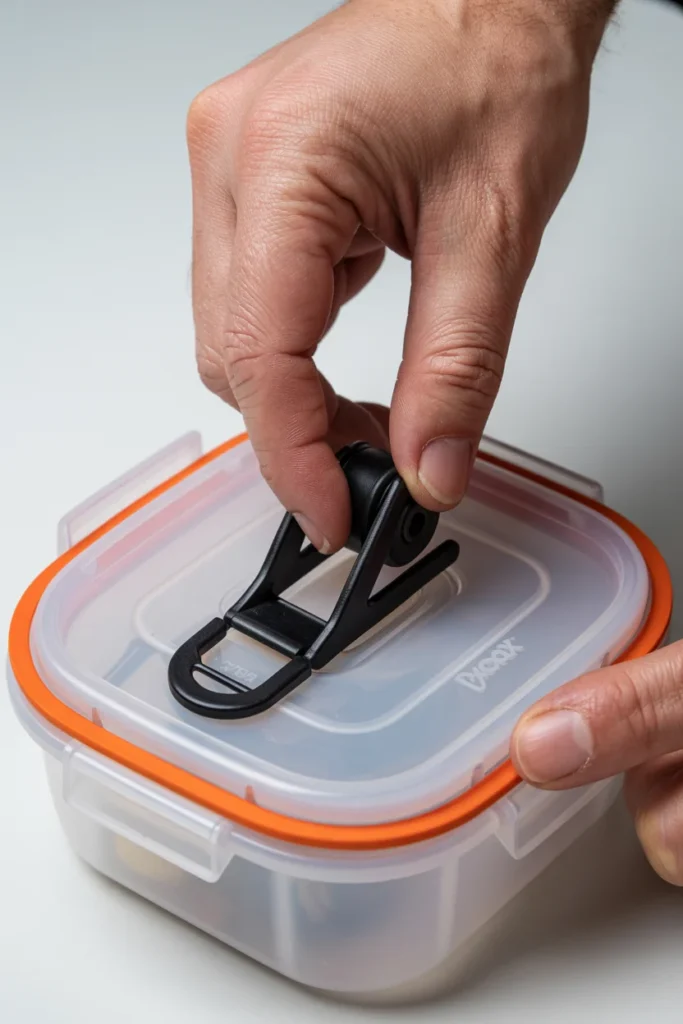
1. Leak-Proof Lids with Silicone Seals This is non-negotiable. Containers with silicone gasket seals around the lid perimeter prevent spills in bags, lunchboxes, and during transport. Snap-lock or clip-lock mechanisms are far more reliable than simple push-on lids.
2. Microwave, Freezer, and Dishwasher Compatibility Your container should handle all three without warping. Glass containers generally excel here. For plastic, look for containers rated for temperatures from minus 20 degrees Fahrenheit up to at least 230 degrees Fahrenheit.
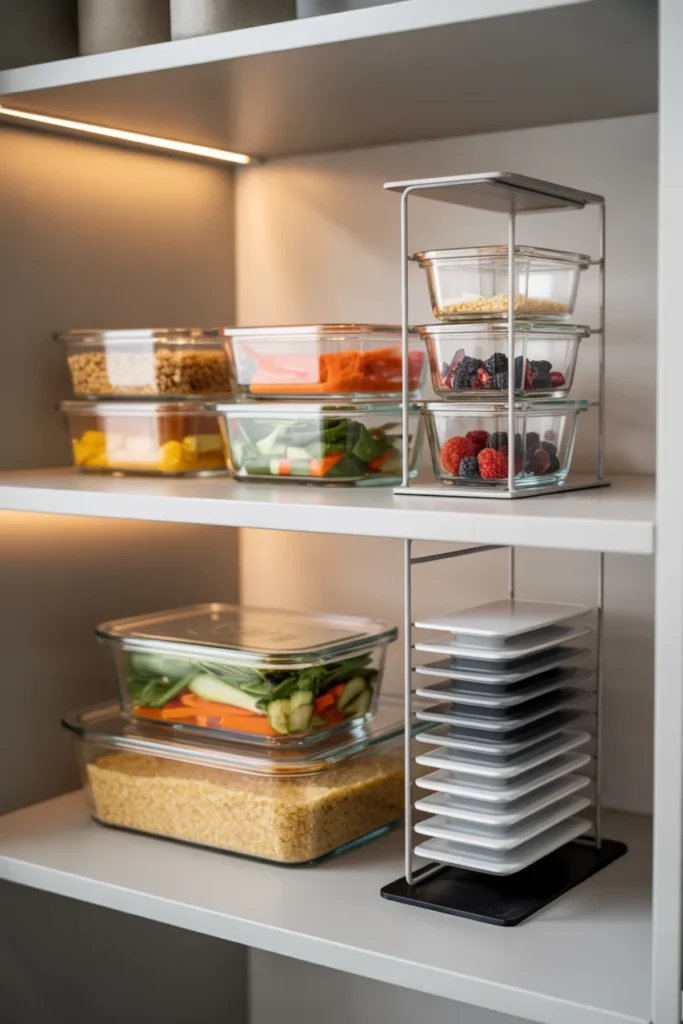
3. Stackable Design Fridge space is precious. Containers that stack evenly — ideally with a nesting design for empty storage — save enormous cabinet and refrigerator real estate.
4. Portion-Friendly Sizes A well-rounded set includes a mix of sizes: four-cup containers for full meals, two-to-three-cup for individual portions, and one-cup for snacks, sauces, and condiments. Experts suggest a family of four needs roughly 10 to 12 containers in mixed sizes to handle a full week of prep.
5. Compartmentalized Options for Specific Meals Multi-compartment containers are ideal for salads, grain bowls, or any meal where you want wet and dry ingredients stored separately. However, they are not necessary for soups, stews, or meals you plan to reheat together. Buy two or three compartmentalized containers in addition to your main set — they are useful but not the backbone of your system.
Best Meal Prep Containers by Category (2026 Picks)
Best Overall Glass Set
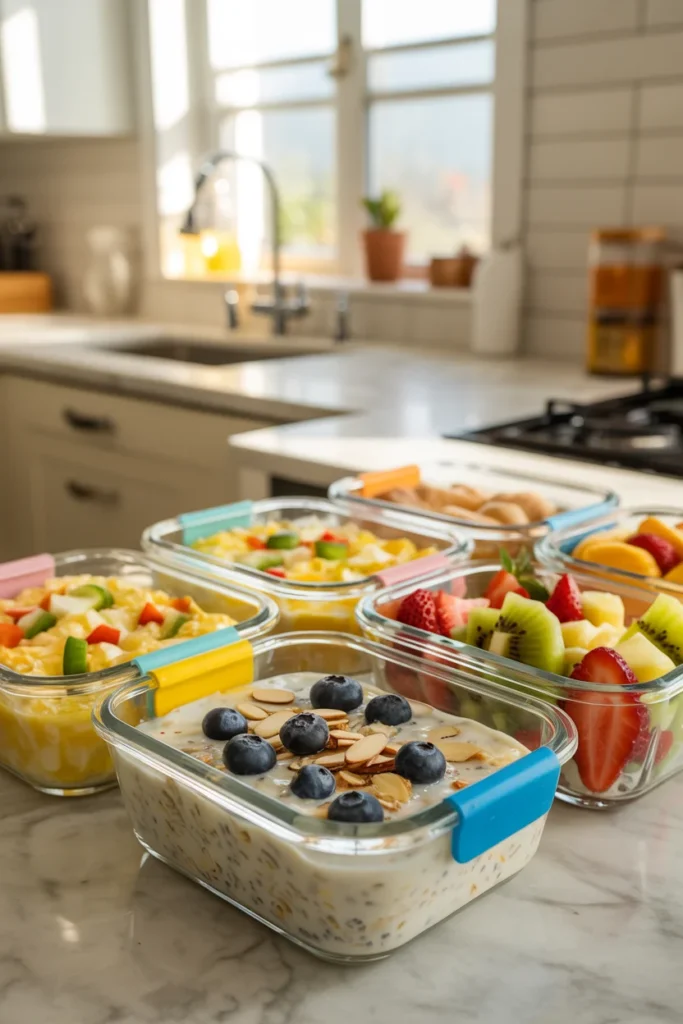
Rubbermaid Brilliance Glass — These containers feature tempered glass bases that are oven-safe up to 450°F, paired with Tritan lids that create an airtight seal. The integrated vents in the lids allow splatter-free microwaving. Available in multiple sizes, they work beautifully for everything from breakfast meal prep to dinner leftovers.
Best Budget Plastic Set
Bentgo Prep 3-Compartment Containers — At around $1 per container, this 20-piece set offers incredible value. The three compartments naturally encourage balanced meals with separate sections for protein, carbs, and vegetables. They are lightweight, stackable, and BPA-free. Ideal for beginners testing the meal prep habit before investing in glass.
Best for Salads and Bowls
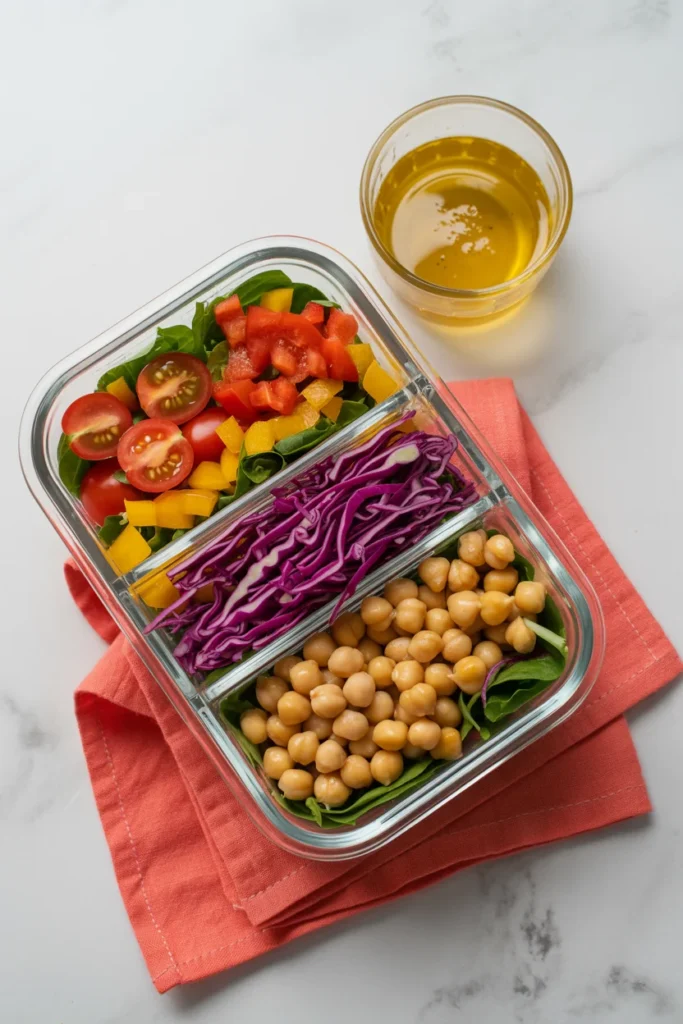
Bentgo All-in-One Salad Container — This bento-style container has a large base section for greens, a divided upper tray for toppings, and a separate compartment for dressing. It keeps every component fresh and separated until lunchtime. Perfect for grain bowls, poke bowls, and salads that stay crisp for days.
Best for Freezer Meal Prep
Pyrex Simply Store with Glass Lids — For long-term freezer storage, containers need to handle the expansion of frozen liquids and resist thermal shock. Pyrex’s tempered glass and glass lids (rather than plastic) make them an excellent freezer-to-oven solution for soups, casseroles, and batch-cooked chili.
Best Eco-Friendly Option
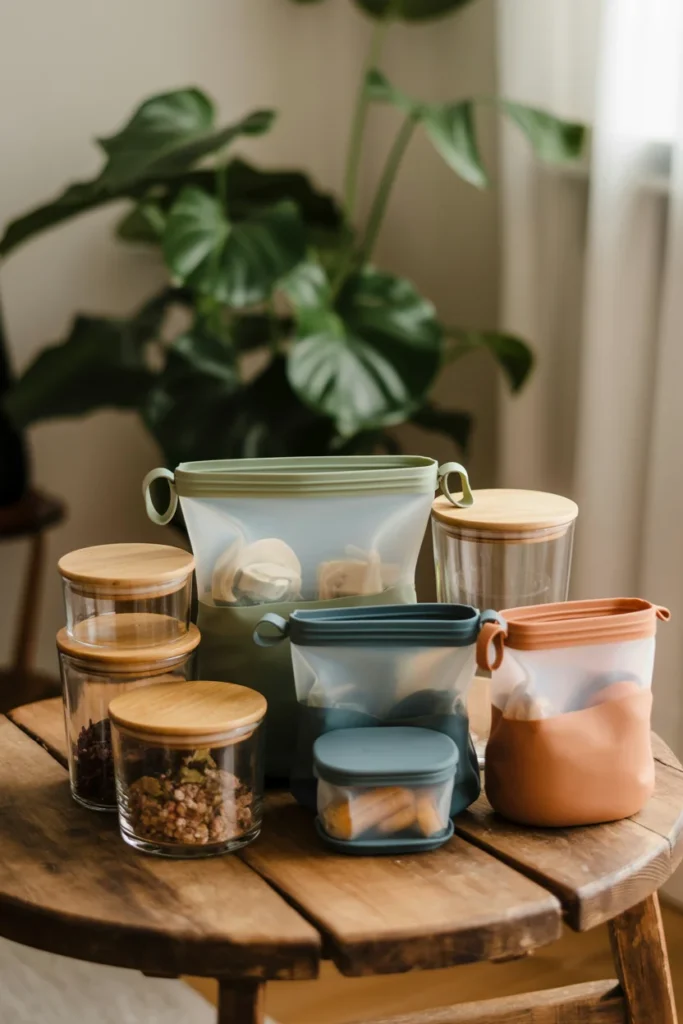
Stasher Silicone Bags — For those eliminating single-use plastic entirely, Stasher bags are made from pure food-grade silicone. They can handle sous-vide cooking, freezing, microwaving, and even baking. They are a great complement to a glass container system for storing marinated proteins, snacks, and smoothie packs.
How Many Containers Do You Actually Need?
Overbuying containers is just as common as buying too few. Based on expert recommendations and practical experience, here is a sensible breakdown for a family of four doing weekly meal prep:
- 4 large containers (4 to 5 cups) for batch proteins, soups, and casseroles
- 4 medium containers (2 to 3 cups) for individual lunch portions
- 4 small containers (1 cup) for snacks, sauces, dressing, and condiments
- 2 to 3 compartmentalized containers for salads and bowl-style meals
That totals roughly 14 to 15 containers — enough for a full week without constant mid-week washing. More than 20 containers usually means many sit unused and clutter your cabinets.
Pro Tips: Making Your Containers Last Longer
Even premium containers degrade faster without proper care. Follow these tips to extend their lifespan significantly.
First, avoid putting plastic lids in the dishwasher — high heat warps seals over time. Hand-wash lids and use the dishwasher only for glass bases. Second, if glass containers retain stubborn odors from garlic or fish, scrub them with a baking soda paste, let sit for 10 minutes, then wash normally. For plastic, soak in a 1:1 white vinegar and water solution for 30 minutes.
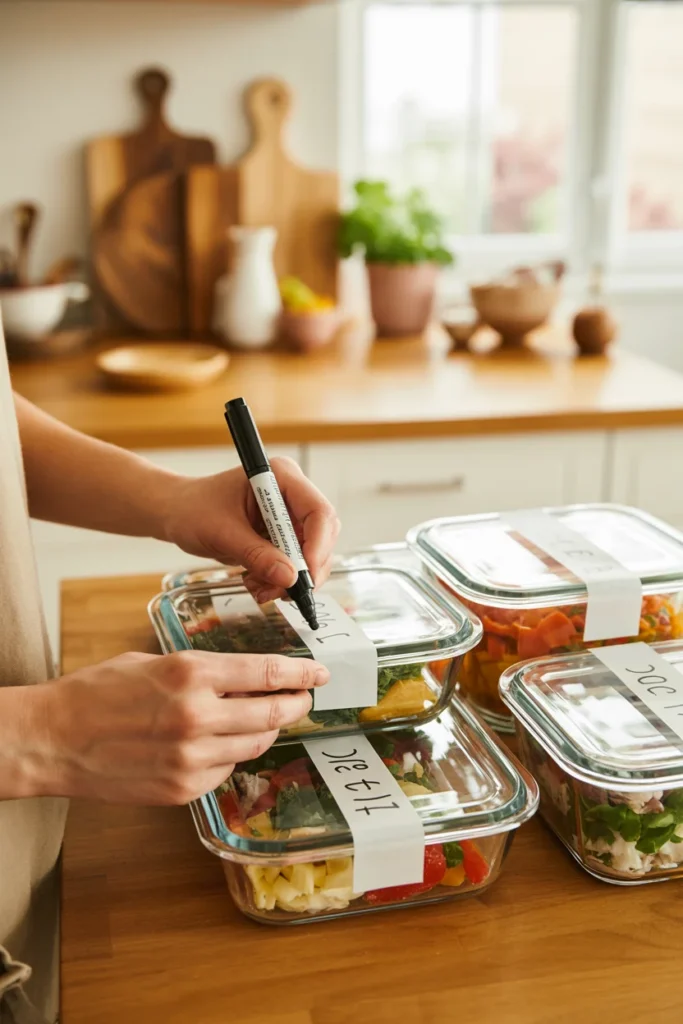
Label your containers with the date of prep using masking tape and a marker. This simple habit prevents you from eating food that has gone past its safe storage window. Most prepped meals stay fresh for three to four days in the refrigerator, and cooked proteins can safely last up to four days when stored at or below 40°F.
If you are building a complete meal prep system on a budget, pair your containers with recipes that cost under $5 per serving to maximize savings across both food and gear.
Final Verdict: Which Containers Should You Buy?
For most home cooks and meal preppers, a hybrid approach works best. Start with a core set of 8 to 10 glass containers for home storage and reheating, then add 3 to 4 lightweight BPA-free plastic containers for portability. Toss in a couple of compartmentalized containers for salads and bowls, and you have a complete system that covers every scenario.
Glass containers cost more upfront — typically $20 to $40 for a quality set — but they pay for themselves within 12 to 18 months because plastic sets need frequent replacement. Think of it as an investment in both your health and your wallet.
If you are new to meal prepping entirely, start small. Grab an affordable plastic set, test the routine for a few weeks, and upgrade to glass once the habit sticks. The best container is the one you actually use consistently.
Ready to put those containers to work? Explore our keto meal prep recipes for beginners and start filling those containers this weekend.
Sources: Harvard T.H. Chan School of Public Health – BPA and chemical safety research; USDA Food Safety Guidelines – food storage temperatures and waste statistics.